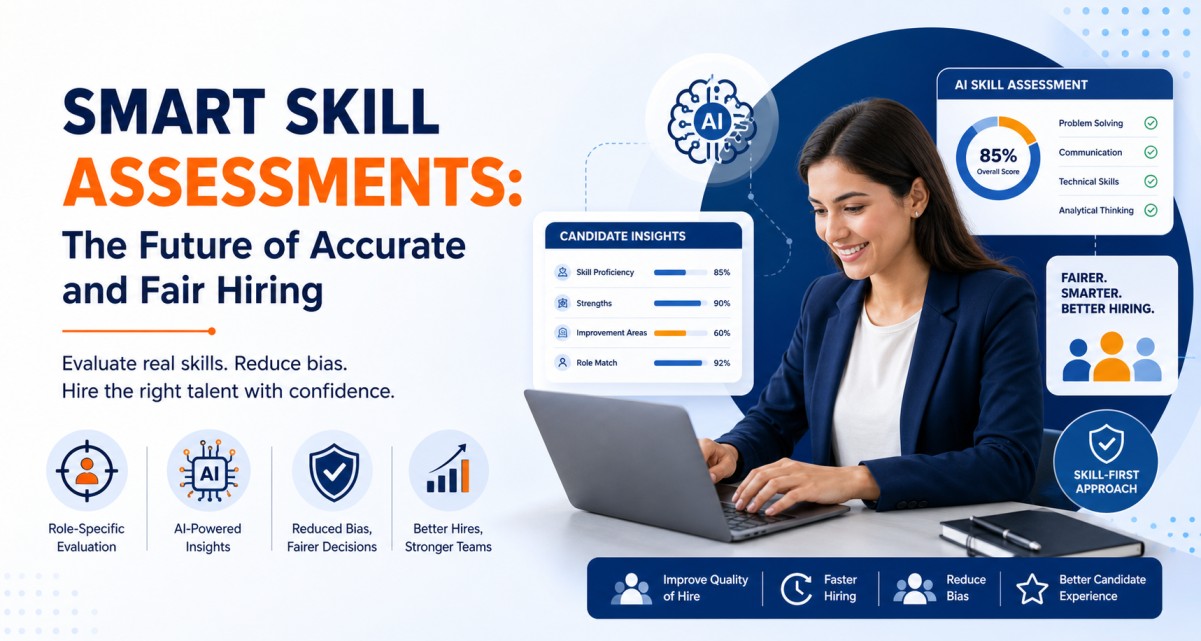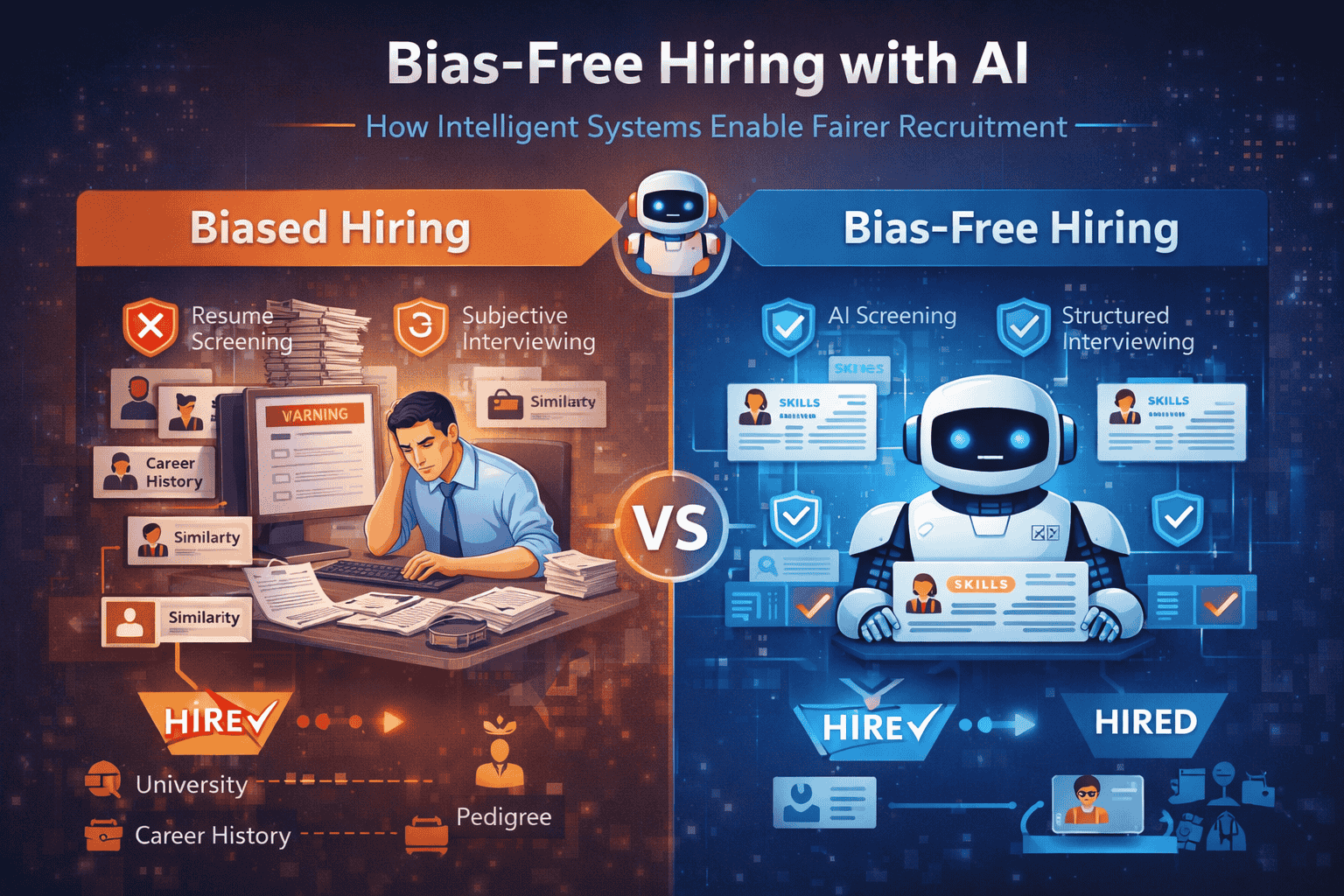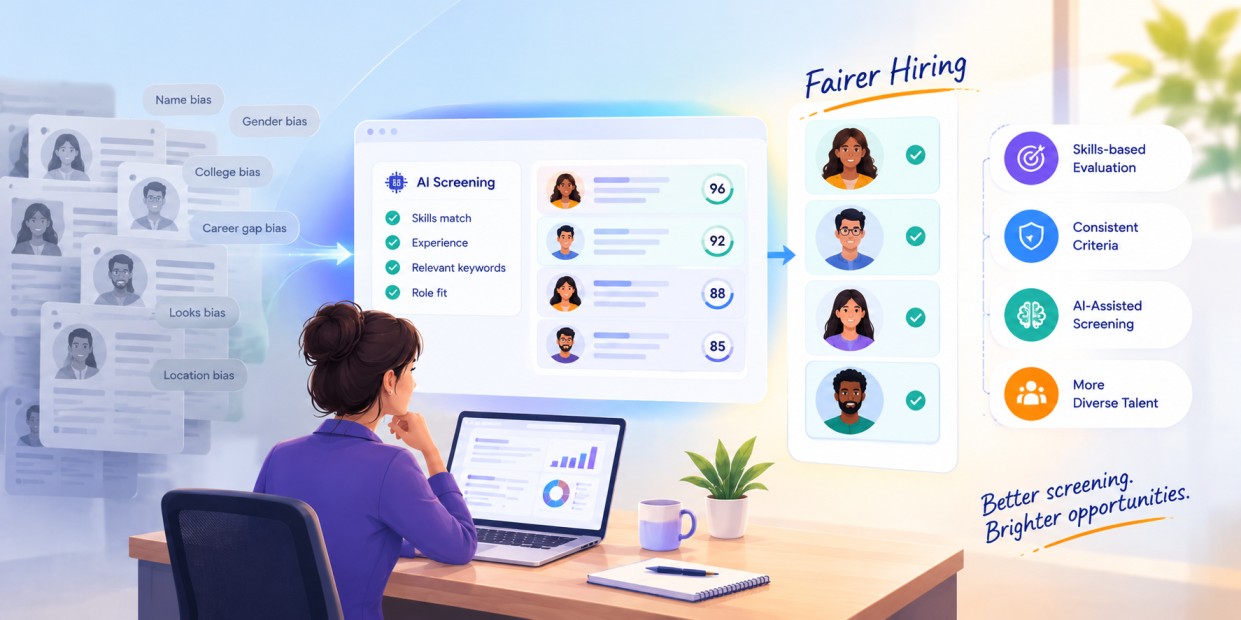
Bias-Reduced Screening: Building a Fairer, More Skills-Focused Hiring Process
Recruitment decisions can be influenced by many factors.
A candidate’s skills and experience should matter. But so can the way a resume is written, the structure of a candidate’s career history, the institution they attended, or even the assumptions a reviewer makes while scanning a profile.
This is one reason screening is such an important part of the hiring process.
When hundreds or thousands of applications arrive for a single role, recruiters need a way to identify relevant candidates efficiently while keeping evaluation focused on job-related criteria.
This is where bias-reduced screening can play a role.
AI-powered screening can help organizations apply more consistent criteria across large candidate pools, but AI should not be treated as a magic solution to hiring bias.
What Is Bias-Reduced Screening?
Bias-reduced screening refers to recruitment processes designed to minimize the influence of irrelevant or potentially unfair factors during candidate evaluation.
Instead of asking:
“Does this resume look impressive?”
a structured screening process asks:
“How closely does this candidate meet the requirements of the role?”
This can involve:
- Clearly defined job requirements
- Skills-based screening
- Structured evaluation criteria
- Consistent screening workflows
- Relevant assessments
- AI-assisted candidate matching
- Human review and oversight
- Regular evaluation of screening outcomes
The goal isn’t to claim that a hiring process is completely bias-free.
The goal is to identify where unnecessary bias can enter the process and design better systems to reduce it.
Why Traditional Resume Screening Can Be Inconsistent
Manual screening requires recruiters to review large amounts of information under time pressure.
Two recruiters may interpret the same resume differently.
One may place greater importance on years of experience.
Another may focus on specific skills.
A third may give more weight to the candidate’s previous employers or educational background.
These differences don’t necessarily mean recruiters are acting unfairly.
They highlight a broader challenge:
Human decision-making is influenced by context, workload, assumptions, and individual interpretation.
Structured screening can help create greater consistency.
The Shift From “Who Looks Right?” to “Who Fits the Role?”
Traditional screening can sometimes become heavily dependent on resume presentation.
Candidates with polished resumes may stand out.
Candidates with unconventional career paths may be overlooked.
Candidates may also use different terminology to describe similar skills.
A skills-focused screening approach changes the question.
Instead of evaluating candidates primarily based on how their resumes look, recruiters can define the competencies required for the role and evaluate candidates against those requirements.
For example, a software development role may require:
- Python
- SQL
- API development
- Problem-solving
- Data structures
A candidate may describe these capabilities differently from another candidate.
A modern AI-assisted screening system can help identify relevant relationships between the candidate’s experience and the requirements of the role.
How AI Can Support Bias-Reduced Screening
AI can process large amounts of candidate information consistently and quickly.
When appropriately designed and governed, it can support recruiters in several areas.
1. Consistent Screening Criteria
A clearly defined job description can serve as the foundation for screening.
Candidates can be evaluated against the same role requirements rather than being assessed using changing criteria from one reviewer to another.
This creates a more structured process.
2. Skills-Based Candidate Matching
AI can help identify relevant skills and experience within candidate profiles.
This can reduce over-reliance on simple keyword matching.
For example, a candidate may not use the exact phrase from the job description but may demonstrate equivalent or closely related experience.
The objective is to focus more closely on what the candidate can contribute to the role.
3. Structured Candidate Prioritization
When hundreds of applications arrive, recruiters need a way to prioritize profiles for deeper review.
AI-assisted matching can help organize candidates according to their relevance to the defined role requirements.
This doesn’t mean the system should make the final hiring decision.
It means recruiters receive a more structured starting point for human evaluation.
4. Reducing Unnecessary Manual Filtering
Manual screening can involve repetitive comparisons between resumes and job descriptions.
Automation can reduce some of this administrative workload.
That gives recruiters more time to investigate candidate context, conduct interviews, and make informed decisions.
The principle is simple:
Automate repetitive evaluation—not human accountability.
AI Does Not Automatically Mean Bias-Free Hiring
This distinction is critical.
AI systems learn from data, rules, and design choices.
If the underlying process contains problematic assumptions, automation can potentially reproduce or amplify them.
Therefore, organizations should not ask only:
“Does this ATS use AI?”
They should also ask:
- What information is the system evaluating?
- Which criteria are being used?
- Are those criteria relevant to the role?
- Can recruiters understand the recommendations?
- Is human review available?
- How is the system monitored?
- Can outcomes be evaluated for unintended disparities?
Responsible AI requires ongoing attention.
The Role of Skills-Based Hiring
Skills-based hiring can be an important part of bias-reduction strategies.
Instead of relying heavily on traditional signals such as educational pedigree or previous employer brand, organizations can place greater emphasis on the capabilities required to perform the job.
For example:
Traditional approach
Degree + Company Name + Years of Experience
Skills-focused approach
Relevant Skills + Demonstrated Capability + Role Requirements
This does not mean education or experience are irrelevant.
They can be legitimate job requirements.
The important question is:
Are we evaluating candidates based on factors that genuinely matter for success in the role?
Structured Screening vs. Unstructured Screening
Consider two approaches.
Unstructured Screening
A recruiter opens a resume and forms an initial impression.
They then decide whether the candidate appears suitable.
The process may vary from one recruiter to another.
Structured Screening
The organization first defines:
- Required skills
- Preferred skills
- Experience requirements
- Educational requirements
- Role-specific competencies
- Assessment criteria
Candidates are then evaluated against these predefined requirements.
The second approach creates greater consistency because the evaluation framework exists before the candidate is reviewed.
Where Bias Can Enter the Hiring Funnel
Screening is only one part of recruitment.
Potential sources of bias can exist throughout the hiring journey.
Job Description
Are requirements unnecessarily restrictive?
Sourcing
Are organizations reaching a sufficiently broad talent pool?
Screening
Are candidates evaluated using relevant criteria?
Assessment
Does the assessment measure skills that actually matter for the role?
Interview
Are candidates asked consistent, job-relevant questions?
Selection
Are final decisions based on relevant evidence?
A bias-reduction strategy therefore needs to look at the entire hiring workflow, not just the ATS.
The Importance of Human Oversight
AI can support consistency.
But recruitment decisions often require context that technology may not fully capture.
For example, a candidate may have:
- A non-linear career
- A career gap
- Experience from a different industry
- Transferable skills
- A non-traditional educational background
These details may require human interpretation.
This is why a strong recruitment model is not:
AI decides → Candidate gets hired
It is:
AI assists → Recruiter evaluates → Hiring team decides
Human oversight provides an important layer of accountability.
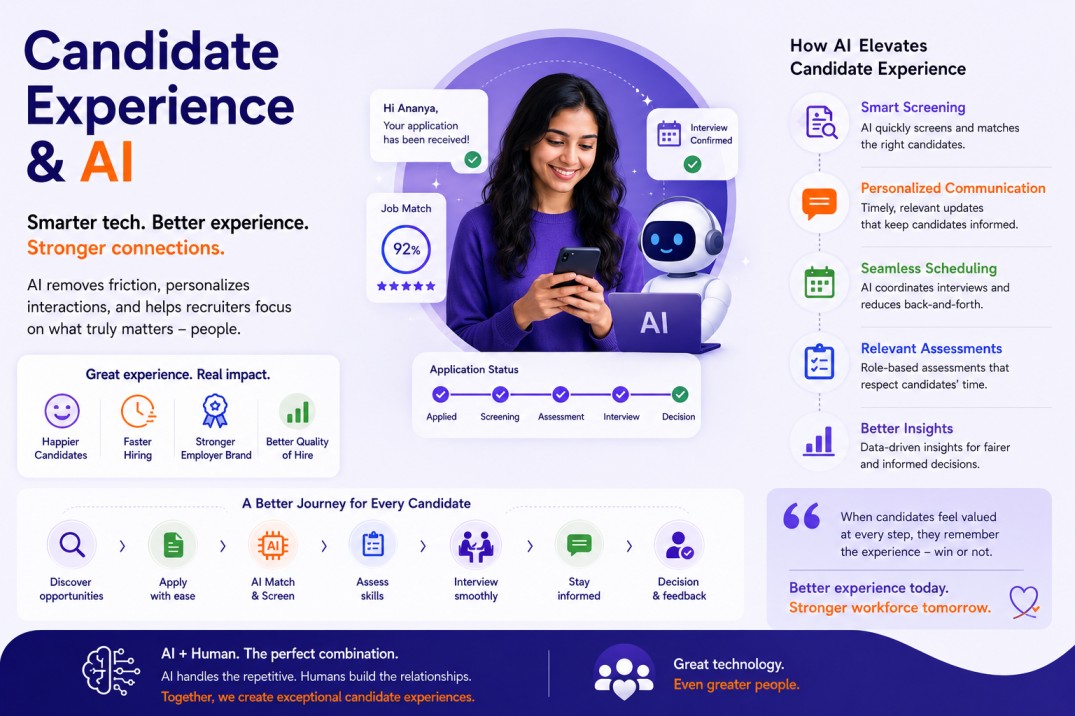
Bias-Reduced Screening and Candidate Experience
Fairness is not only an internal HR concern.
Candidates experience the screening process directly.
A more structured approach can create greater clarity around what the organization is looking for.
When job requirements are clearly defined and candidates are evaluated against relevant criteria, the recruitment process can become more predictable and understandable.
Candidates may not always be selected.
But they should have confidence that the hiring process is designed around the requirements of the role.
How Assessments Can Complement AI Screening
A resume provides one type of information.
It describes a candidate’s experience, education, skills, and career history.
Assessments can provide another perspective by evaluating specific capabilities.
For example:
Resume screening
→ Does the candidate appear relevant to the role?
Skill assessment
→ Can the candidate demonstrate the required capability?
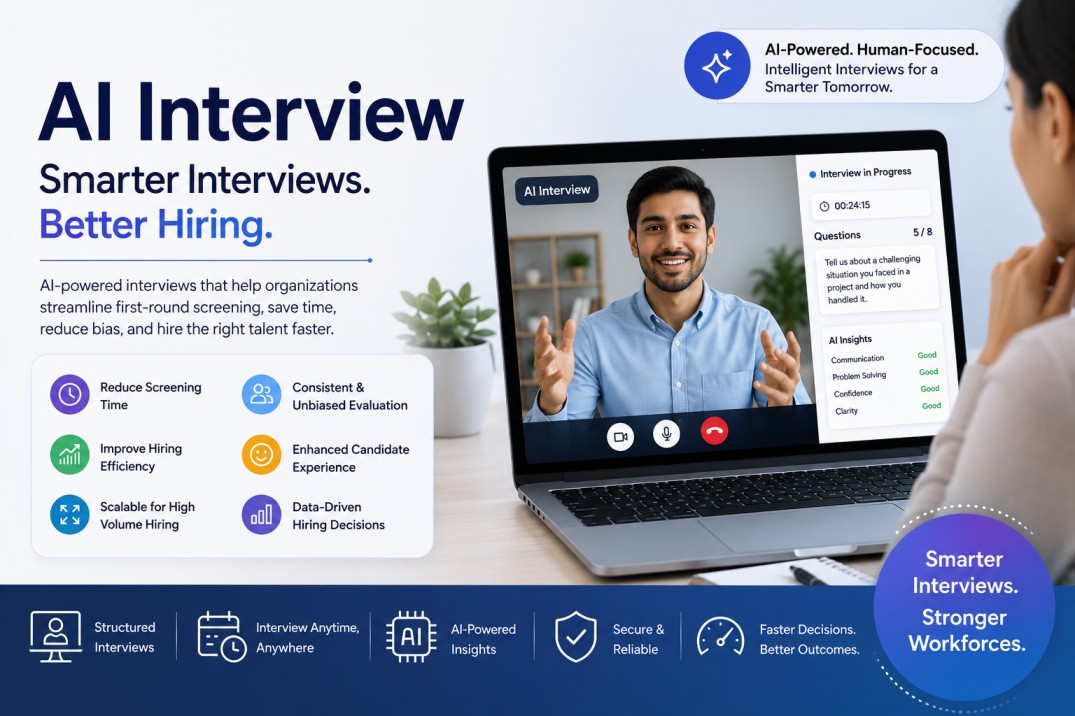
Interview
→ How does the candidate communicate, reason, and approach real situations?
Combining multiple relevant signals can create a more comprehensive evaluation than relying on resume screening alone.
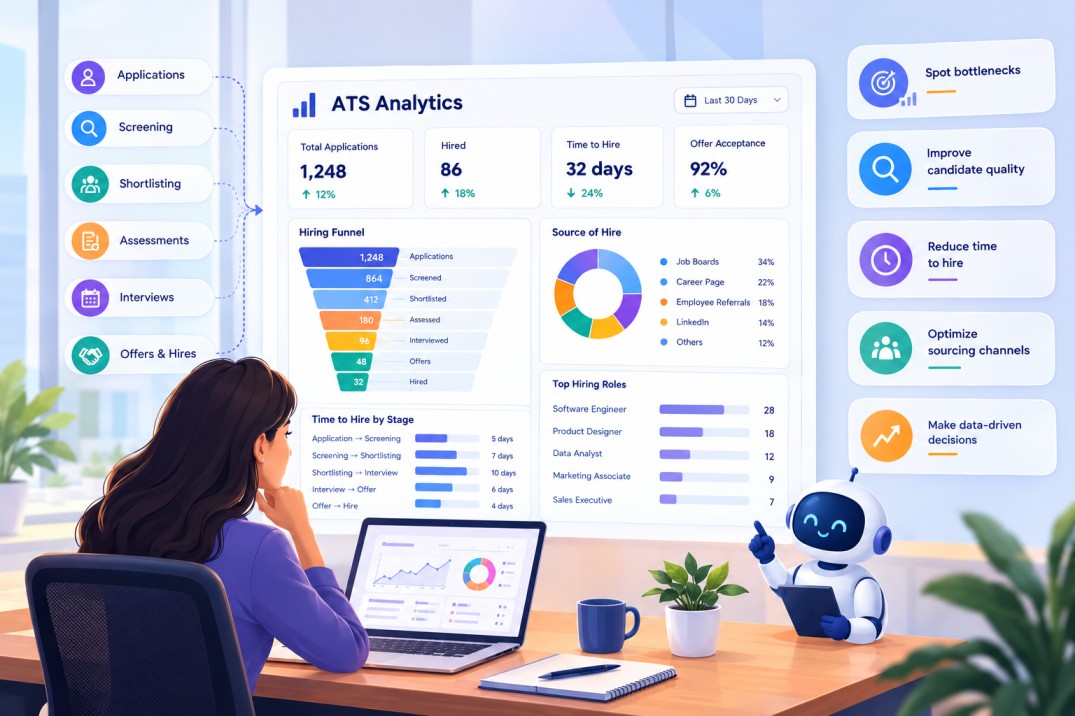
Measuring Whether Your Screening Process Is Improving
Organizations should not assume that introducing AI automatically improves fairness.
The process should be evaluated.
Recruitment teams can monitor:
Screening Conversion
How many candidates move from application to shortlist?
Assessment Performance
How do candidates perform against role-specific skills?
Interview Conversion
How many shortlisted candidates progress through interviews?
Candidate Drop-Off
At which stage do candidates leave the process?
Hiring Outcomes
What patterns emerge among candidates who are ultimately hired?
Process Consistency
Are recruiters applying the same criteria across similar roles?
The purpose of measurement is not simply to produce reports.
It is to identify opportunities for improvement.
A Practical Framework for Bias-Reduced Screening
HR and TA leaders can use a simple framework.
Step 1: Define the Job Clearly
Separate must-have requirements from nice-to-have requirements.
Avoid requirements that do not have a clear connection to the role.
Step 2: Focus on Relevant Skills
Identify the technical and behavioral competencies needed to perform the job.
Step 3: Structure the Screening Process
Use consistent criteria across candidates applying for the same role.
Step 4: Use AI as Decision Support
Allow AI to assist with screening and matching while keeping humans involved in important decisions.
Step 5: Add Skill-Based Evidence
Use relevant assessments or work samples where appropriate.
Step 6: Monitor Outcomes
Regularly evaluate whether the process is producing the intended results.
Step 7: Keep Improving
Bias reduction is not a one-time implementation.
It is an ongoing process.
How PeopleXM Supports Bias-Reduced Screening
PeopleXM takes a skills-focused approach to modern recruitment.
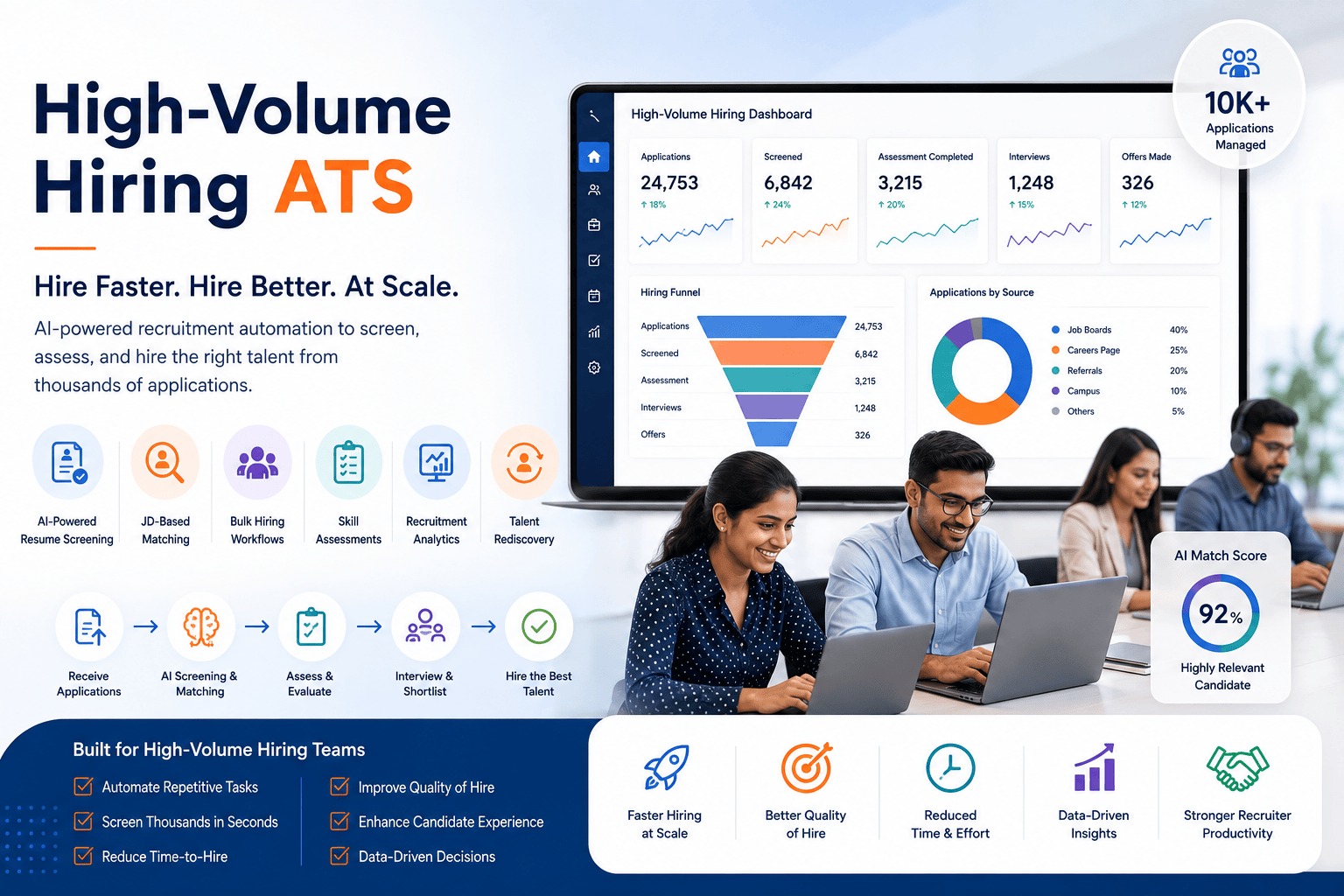
Its AI-powered hiring platform can help recruiters bring greater structure to the screening and evaluation process through capabilities such as:
- AI-assisted resume screening
- JD-based candidate matching
- Skill-focused assessments
- Candidate evaluation
- Recruitment analytics
- Candidate prioritization
- Talent rediscovery
The purpose is not to replace recruiter judgment.
Instead, PeopleXM helps recruitment teams organize candidate information around job requirements, skills, and relevant evidence.
This can help recruiters spend less time manually sorting through applications and more time making informed hiring decisions.
Beyond Bias Reduction: Building Better Hiring Systems
Bias reduction should not be treated as a standalone technology feature.
It is part of a broader approach to building better hiring systems.
A strong recruitment process should aim for:
Relevance
Evaluate candidates against job-related requirements.
Consistency
Apply structured criteria across comparable candidates.
Transparency
Make the recruitment process understandable to candidates and recruiters.
Human Oversight
Keep people accountable for important decisions.
Continuous Improvement
Use recruitment data to identify and address process gaps.
These principles remain important whether AI is involved or not.
The Future of AI-Assisted Screening
As recruitment technology evolves, screening will become increasingly focused on skills, evidence, and contextual candidate data.
The future is unlikely to be about simply finding resumes that contain the right keywords.
Instead, organizations will increasingly ask:
- What skills does this candidate demonstrate?
- How relevant are those skills to the role?
- What evidence supports the candidate’s suitability?
- What additional information do we need?
- Where should a recruiter investigate further?
AI can help answer some of these questions.
But responsible hiring will continue to require human judgment.
Conclusion: Better Screening Starts With Better Criteria
Bias-reduced screening is not about promising a completely bias-free hiring process.
It is about building a process where job-relevant criteria have greater influence and unnecessary subjectivity has less.
AI can help recruiters process applications consistently, identify relevant skills, and prioritize candidates for deeper evaluation.
But technology is only one part of the solution.
Organizations also need well-defined job requirements, structured evaluation criteria, relevant assessments, human oversight, and continuous monitoring.
The future of fairer hiring isn’t simply:
“AI instead of humans.”
It is:
“Better technology + better processes + responsible human judgment.”
For organizations looking to modernize recruitment, bias-reduced screening represents an important step toward building a more skills-focused, consistent, and thoughtful hiring process.
And when screening becomes more focused on what candidates can actually contribute, recruitment becomes not just faster—but more meaningful.
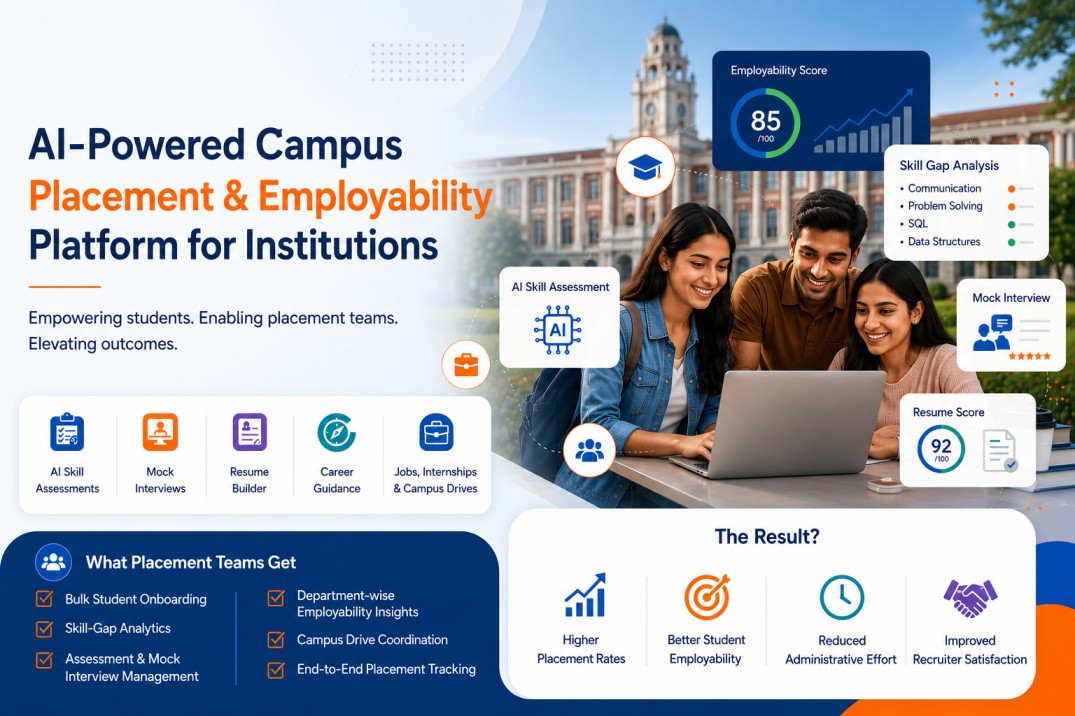
PeopleXM helps organizations combine AI-assisted screening, job-based matching, skill assessments, and recruitment intelligence to create a more structured approach to candidate evaluation.
Explore how PeopleXM can help your team make screening more consistent, skills-focused, and data-informed.
 Overly Complex Designs